 À la une
Your Source, Our Expertise!
À la une
Most people judge a sunscreen in less than a minute.
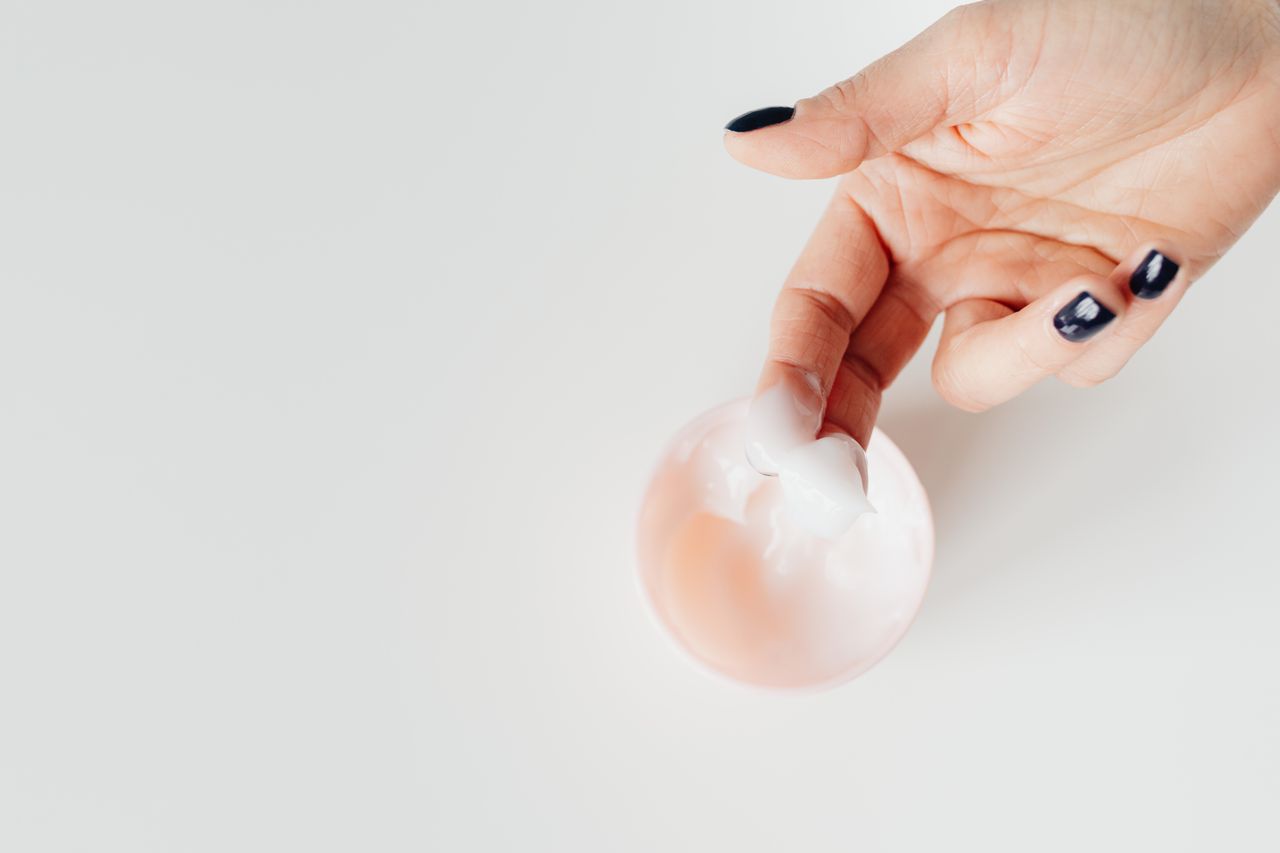
They open the tube, apply a little on the skin and immediately decide:
too greasy, too white, too sticky, too heavy… or maybe surprisingly good.
What most people don’t see is how difficult it actually is to create a sunscreen that feels pleasant and performs well at the same time.
Because sunscreen formulation is full of compromises.
The moment you improve one thing, something else usually becomes harder to control.
And honestly, that’s what makes this category so challenging behind the scenes.
Everyone Wants High SPF… But Nobody Wants the Texture That Comes With It
This is probably the biggest contradiction in sun care today.
Consumers ask for SPF 50+, strong protection, long wear, water resistance… but at the same time, they want the product to feel almost invisible.
Light like a serum.
Soft like skincare.
No greasy finish.
No white marks.
The problem is that higher SPF usually means adding more UV filters. And once you start increasing those filters, textures naturally become heavier or more difficult to balance.
That’s why formulators spend so much time trying to make sunscreens feel lighter than they really are.
And the pressure keeps growing. Lightweight sunscreens have become one of the fastest-growing segments in skincare, especially among younger consumers who use SPF daily, not just at the beach.
Water Resistance Sounds Simple… Until You Try to Formulate It
Everybody wants a sunscreen that survives swimming, heat, sweat, and summer days outside.
But making a formula stay on the skin is not as easy as it sounds.
To improve water resistance, formulators usually need ingredients that create a kind of protective film. The problem is that these materials can also change the sensory feel of the product.
Sometimes the formula becomes thicker.
Sometimes it feels tacky.
Sometimes it spreads less easily.
So there’s always this constant question in development:
“How do we make it resistant without ruining the experience?”
That balance is much harder than most people imagine.
Stability Is One of Those Problems Nobody Notices — Unless Something Goes Wrong
A sunscreen can look perfect when it’s freshly made in the lab.
Then summer arrives.
Heat, light, humidity, transportation, storage… suddenly the formula is under stress everywhere.
And sunscreen formulas are usually packed with ingredients:
UV filters, emulsifiers, antioxidants, fragrances, sensory agents, botanical extracts…
Keeping all of that stable over time takes real formulation work.
Because once a product separates, changes color, develops an unusual odor, or loses consistency, consumers lose trust immediately.
And today’s consumers are even more demanding than before.
People Don’t Just Want Protection Anymore
Years ago, consumers accepted uncomfortable sunscreens because protection was the priority.
Now? Not really.
People expect sunscreen to behave like skincare.
They want:
And social media changed everything even more. One bad texture review can spread very quickly online.
This is exactly why brands are investing heavily in:
The line between sunscreen and skincare keeps getting thinner every year.
The Real Difficulty Is Balancing Everything Together
This is the part most people never see.
In sunscreen formulation, every decision affects something else.
Increase SPF?
Texture may become heavier.
Improve water resistance?
Skin feel may change.
Add more sensory ingredients?
Stability may become harder to maintain.
There’s almost never a perfect formula. Usually, it’s about finding the most intelligent compromise possible.
And honestly, that’s why creating a really good sunscreen takes time.
The Market Is Changing Fast
Sunscreen is no longer just a summer product.
That’s probably one of the biggest changes happening right now.
People use SPF daily:
As a result, the market is shifting toward products that feel easier to wear every day.
Some trends are becoming very clear:
Daily facial sunscreens are growing especially fast, particularly among younger consumers who see SPF as part of their normal skincare routine.
Final Thoughts
A good sunscreen looks simple when you use it.
But behind that simplicity, there’s usually a lot of invisible work:
balancing texture, protection, stability, comfort, and wearability all at once.
And maybe that’s the interesting part about sunscreen formulation.
When it’s done well, nobody notices the complexity behind it.
They just notice that the product feels good enough to use every day.
If you think about it, doing laundry used to involve a bit of guesswork.
You’d grab a bottle, pour “something that looks right,” sometimes too much, sometimes not enough… and hope for the best. It wasn’t complicated, but it wasn’t exact either.
Then detergent pods came in — small, simple, almost too simple at first.
Drop one in, close the machine, done.
It didn’t feel revolutionary. But somehow, it changed habits very quickly.
So, what are they really?
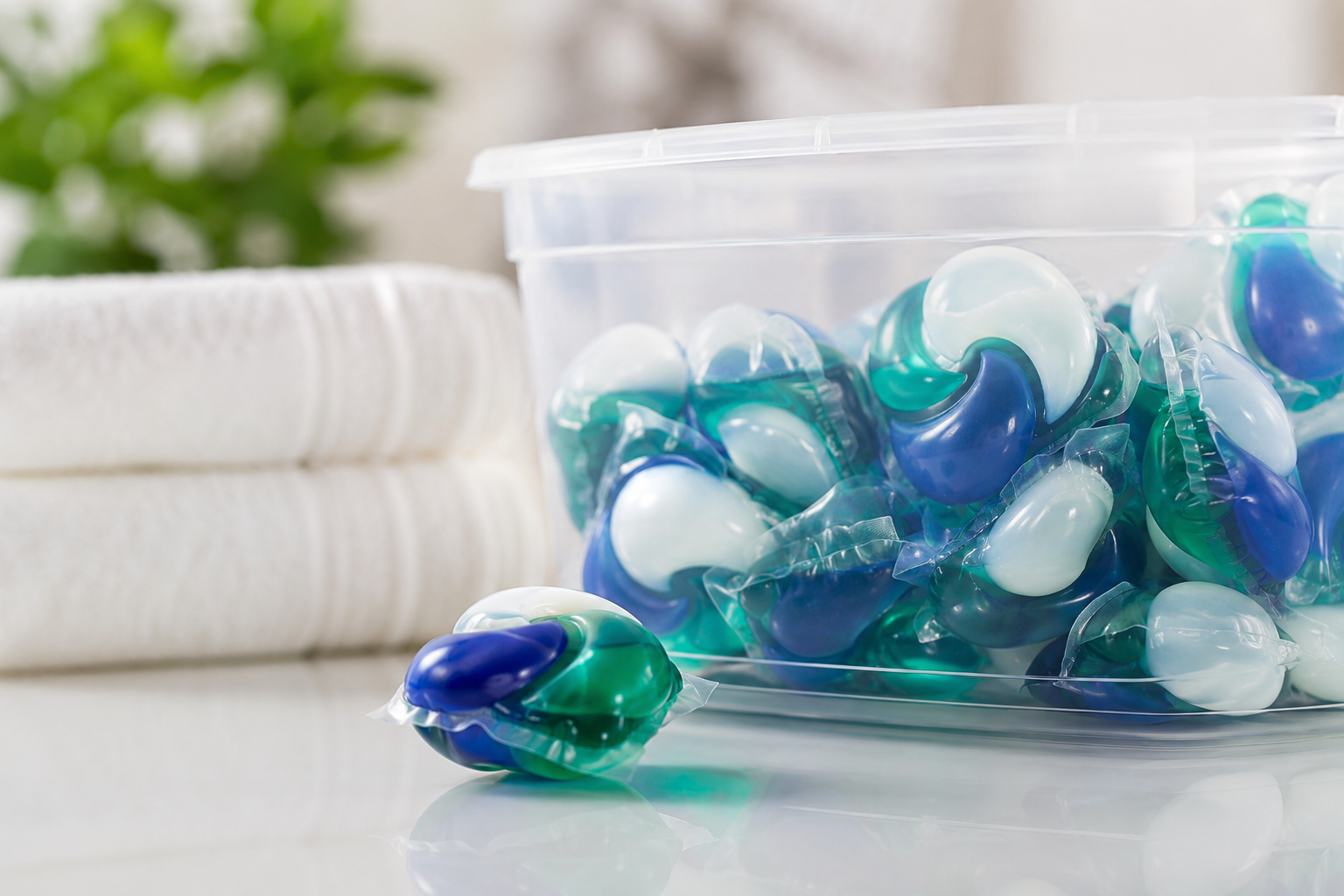
Detergent pods are basically pre-measured doses of detergent wrapped in a film that dissolves in water. Inside, you’ll often find a concentrated formula — sometimes even separated into different layers.
But honestly, what matters isn’t the technology.
It’s the experience.
You don’t measure.
You don’t spill anything.
You don’t even think about it.
You just use one.
Why people got used to them so fast
The shift didn’t happen because people suddenly cared about innovation. It happened because pods removed small annoyances.
No more sticky caps.
No more liquid dripping down the bottle.
No more wondering if you added too much detergent.
It’s one of those things you don’t notice… until you stop using it.
And then you realize how convenient it actually was.
Where you’ll find detergent pods today
At first, it was just about laundry at home. But now, it’s a bit broader than that.
Everyday laundry (of course)
Still the main use.
Clothes, towels, mixed loads — most people use pods for everything without really thinking about it.
Hotels, laundries, cleaning services
Not always, but more and more.
Pods make dosing consistent. And when you’re doing dozens of loads a day, consistency matters more than anything.
Travel and small living spaces
This one makes sense.
Instead of carrying a whole bottle, you just take a few pods.
Simple, light, no mess.
And beyond laundry
The idea itself spread.
Now you see the same format in:
The “pod” isn’t just a product anymore — it’s a format people got used to.
What the numbers quietly show
Even if it doesn’t feel like a “trend,” pods have grown a lot.
In some markets, they already represent around a quarter (sometimes more) of all laundry detergent sales. That’s huge for something that didn’t exist not that long ago.
Growth is still there too — roughly 6 to 8% per year, which is pretty solid for a mature category like laundry.
And interestingly, younger consumers almost automatically choose pods. For them, measuring liquid feels… outdated.
What’s starting to change
Of course, nothing grows without questions.
People are now paying more attention to:
So brands are adjusting.
You’ll see:
It’s not a complete shift — more like a gradual correction.
Why pods are probably here to stay
At the end of the day, pods didn’t succeed because they were “innovative.”
They succeeded because they made something boring… easier.
That’s it.
Laundry is still laundry.
But now it’s quicker, cleaner, and more predictable.
And once people get used to that kind of simplicity, they don’t really go back.
Final thought
Detergent pods didn’t reinvent laundry.
They just removed the small friction points no one really liked.
And sometimes, that’s all it takes to change habits.
You’ve probably noticed it before without really thinking about it. A white shirt that looks almost too bright. Laundry that seems to glow under certain light. Paper that looks crisp and ultra-clean.
That effect? It often comes from something called optical brighteners.
They’re not new, and they’re not flashy either. But quietly, they’ve become one of those behind-the-scenes ingredients that industries rely on more than most people realize.
So, What Are Optical Brighteners, Really?
In simple terms, optical brighteners (sometimes called fluorescent whitening agents) don’t actually “clean” or “whiten” anything in the traditional sense.
What they do is smarter.
They absorb invisible ultraviolet (UV) light and re-emit it as visible blue light. That slight blue tint tricks our eyes into seeing materials as brighter, cleaner, and whiter.
It’s not about removing yellow tones — it’s about visually correcting them.
Once you understand that, everything else makes sense.
Why They’re Still So Widely Used
Even with all the talk about natural products and minimal formulations, optical brighteners haven’t disappeared. In fact, they’re still widely used — and in some sectors, demand is steady or even growing.
Why?
Because they’re incredibly efficient. A very small amount can noticeably improve appearance. For manufacturers, that means:
In industries where appearance matters (which is almost all of them), that’s a big advantage.
Where You Actually Find Optical Brighteners
Most people associate them with laundry — and that’s true — but their use goes far beyond that.
🧼1. Laundry Detergents and Fabric Care
This is the most familiar application.
Optical brighteners are added to:
They help clothes maintain a “fresh” look over time, even after multiple washes.
👕2. Textiles and Fabrics
In the textile industry, brighteners are often applied during production.
They’re used in:
The goal is simple: make fabrics look cleaner, sharper, and more appealing on display.
📄3. Paper and Packaging
Ever noticed how white printer paper looks almost luminous?
That’s not accidental.
Optical brighteners are widely used in:
They give paper that clean, high-quality look people expect.
🧴 4. Plastics and Polymers
This one surprises a lot of people.
Brighteners are added to:
They help maintain a bright, uniform appearance, especially in white or light-colored plastics.
💄5. Cosmetics and Personal Care
In smaller amounts, optical brighteners also appear in:
In these cases, the goal is often visual — giving skin or teeth a brighter, more radiant look.
Market Trends and Growth
Even though optical brighteners aren’t a “trendy” ingredient, the market around them is surprisingly stable.
At the same time, there’s a noticeable shift:
👉 some markets are exploring alternatives due to environmental concerns
👉 others continue using brighteners because of their efficiency and cost-effectiveness
So instead of declining, the market is adjusting.
The Balance Between Performance and Perception
Here’s where things get interesting.
On one side, optical brighteners are incredibly effective and widely used. On the other, modern consumers are asking more questions about ingredients, sustainability, and transparency.
This creates a kind of balance:
In other words, the ingredient isn’t going away — it’s just evolving with the market.
Where Things Are Heading
Optical brighteners may not be visible, but their impact definitely is.
As long as people expect things to look clean, bright, and fresh, there will be a need for solutions like this. Whether in clothing, packaging, or everyday products, that visual standard isn’t going anywhere.
At the same time, innovation will likely focus on making these ingredients more efficient, more compatible with modern formulations, and better aligned with changing expectations.
Final Thought
Optical brighteners are a good reminder that sometimes, what makes the biggest difference isn’t what you see directly — it’s what works quietly in the background.
They don’t clean.
They don’t bleach.
But they change how we perceive everything.
And in many industries, perception is everything.
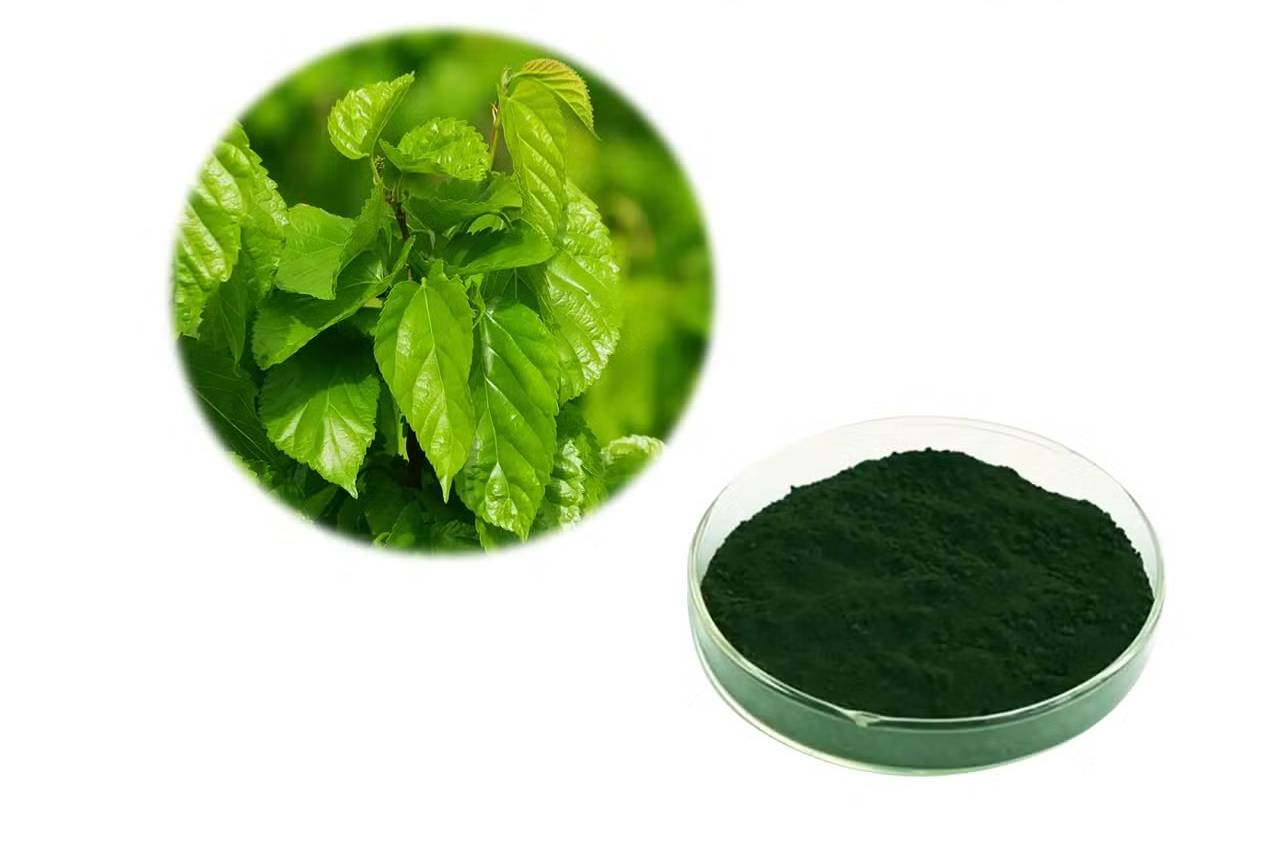
A few years ago, chlorophyllin wasn’t something people talked about. It stayed quietly in the background, mostly used as a coloring ingredient. Today, things have changed. You see it in drinks, supplements, toothpaste, even skincare products. And suddenly, everyone seems curious about this bright green powder.
So what happened?
The short answer: timing.
A Simple Green Ingredient with a Lot of Potential
Chlorophyllin powder comes from chlorophyll, the pigment that gives plants their green color. The difference is that chlorophyllin is water-soluble and much more stable, which makes it easier to work with in modern products.
It dissolves well, keeps its color, and doesn’t break down easily. That alone already explains why manufacturers like it. But there’s more to it than color.
People associate green with freshness, cleanliness, and something plant-based. Chlorophyllin naturally fits into that image.
Why Interest Is Growing So Fast
Consumer habits are changing fast. Many people are tired of artificial colors and strong chemical additives. They want products that feel lighter, simpler, and closer to nature — even if they don’t always read the ingredient list carefully.
This shift is pushing brands to rethink how products look and feel.
As a result, the market for natural or nature-inspired colorants has been growing steadily, with yearly growth estimated around 7 to 10%. Green shades, in particular, are gaining attention because they instantly signal “clean” and “fresh”.
Chlorophyllin sits right in the middle of this trend.
More Than Just Color
What makes chlorophyllin interesting is that it’s not only about appearance.
Many formulators value it for:
its antioxidant properties
its ability to help control unwanted odors
its compatibility with water-based systems
This combination explains why it keeps showing up in new product ideas.
Where Chlorophyllin Powder Is Actually Used
You don’t usually see chlorophyllin sold on its own. It’s almost always part of a finished product. And the list is longer than most people expect.
Food and Drinks
This is still the most common application.
You’ll find chlorophyllin in:
Supplements and Wellness Products
Chlorophyllin is often linked to freshness and internal balance.
It appears in:
Visually appealing green supplements are particularly popular among younger consumers, who tend to choose products that look “clean” and modern.
Oral Care and Hygiene
This is one of the more practical uses.
Because chlorophyllin helps manage odors, it’s commonly added to:
This category continues to grow as people move away from strong synthetic flavors.
Cosmetics and Personal Care
The clean-beauty movement has opened new doors.
Chlorophyllin now appears in:
Functional Foods and New Concepts
This is where things get creative.
Chlorophyllin is now used in:
This segment is currently one of the fastest-growing applications for chlorophyllin.
Trends That Are Shaping the Market
A few clear trends explain why chlorophyllin keeps gaining ground:
Manufacturers also look for consistency, which is why standardized chlorophyllin powders are becoming more common.
So, Where Is This All Going?
Chlorophyllin powder isn’t a trendy ingredient that will disappear next year. It’s practical, versatile, and fits perfectly with what consumers want right now.
It looks natural.
It works well in formulations.
And it tells a simple story — green, fresh, plant-inspired.
That’s why it’s quietly becoming a core ingredient across food, wellness, and personal care. Not flashy, not exaggerated… just exactly what the market is asking for.

It’s funny how some ingredients stay hidden for centuries and then, out of nowhere, everyone starts talking about them.
Cordyceps sinensis is exactly that kind of ingredient. A few years ago, barely anyone outside traditional Asian medicine knew its name. Today, it pops up in wellness talks, in energy blends, even in conversations at the gym.
So what’s behind this sudden popularity?
Let’s keep it simple — and human.
A Surprisingly Interesting Little Fungus
Cordyceps sinensis isn’t your typical mushroom. It grows naturally in high mountain regions, in places where oxygen is thin and life is harsh. Maybe that’s why people have always associated it with endurance and resilience.
When it’s turned into an extract, you’re basically getting a concentrated mix of:
natural compounds that help the body use energy efficiently,
polysaccharides that researchers like to study for immune balance,
and a good dose of antioxidants.
Nothing magical, just a genuinely rich natural profile.
Why People Are Paying Attention Now
There’s a clear shift happening worldwide: people want energy, but they’re tired of harsh stimulants. They want to breathe better, feel less stressed, recover faster — and they prefer natural options whenever possible.
Cordyceps fits right into this movement.
And honestly, the numbers speak for themselves. Over the last decade, interest in functional mushrooms jumped massively, and Cordyceps is one of the big winners. Sales in this category have climbed steadily, with annual growth projections around 8–12% for the next few years.
You see it in powders, capsules, drinks, even gummies. Gummies, by the way, are exploding — no surprise, they’re the easiest format to take.
What Science Is Hinting At (Without Complicating Things)
Researchers have been taking a closer look, and while the studies are still evolving, a few patterns keep appearing:
People involved in sports sometimes see better oxygen use after a few weeks.
There are signs that the extract helps the body handle stress a bit more smoothly.
Some small trials suggest benefits for breathing comfort and endurance.
And the antioxidant activity seems to support recovery after physical effort.
Nothing exaggerated — just steady, realistic trends that make the ingredient worth watching.
The Not-So-Glamorous Side: Quality Matters
One thing most people don’t know is that Cordyceps isn’t always consistent.
Its composition changes depending on how it’s grown, where it comes from, and how it’s processed. Two products with the same name can be very different inside.
Some extracts are rich in key compounds. Others… not so much.
This is why “standardized extract” is becoming a keyword. It simply means the active components have been measured and kept at a reliable level.
Where You Can Find Cordyceps sinensis Extract in Finished Products
Cordyceps isn’t usually used alone. It appears in a variety of finished products, depending on the brand and the formulation philosophy.
Here are the most common categories:
1. Energy & Vitality Formulas
Many brands include Cordyceps in blends designed for daily energy or stamina.
You’ll often see it paired with ginseng, B-vitamins, or other functional mushrooms.
Formats:
2. Sports & Endurance Products
Because of its association with oxygen use and performance, it often appears in:
Usually combined with ingredients like beetroot extract, electrolytes, or amino acids.
3. Respiratory Support Blends
Cordyceps traditionally aligns with respiratory comfort, so some wellness brands include it in:
4. Adaptogenic & Stress-Balance Formulas
Cordyceps is commonly added to “adaptogen complexes” along with:
Formats:
5. Functional Foods & Drinks
A newer trend: Cordyceps is now being added to everyday consumable wellness products.
Examples include:
This category is growing the fastest, especially among young consumers.
Where Things Are Heading
Cordyceps is riding a wave right now. And it’s not just marketing — it’s a mix of tradition, scientific curiosity, and modern lifestyle needs. People want energy but without feeling wired. They want natural support for breathing, sport, stress… and Cordyceps happens to sit at the crossroads of all these interests.
It’s still being researched, and we’ll likely understand it much better in a few years.
But today, it stands as one of the most talked-about natural ingredients — and honestly, it’s easy to see why.

You’ve probably noticed how, after a few washes, your favorite T-shirt loses a bit of its spark — that rich navy turns dull, and your crisp white blouse begins to look tired. It’s one of laundry’s quiet frustrations. But behind every detergent that promises “color protection,” there’s fascinating chemistry at work.
Let’s take a look at how these color-protective detergents really do their job — and why the science behind them matters more than ever.
What Really Causes Colors to Fade
When clothes are washed, dyes from fabrics can dissolve slightly into the wash water. This is especially true for darker or newly dyed clothes. Once those dyes are floating around, they can stick to lighter garments or simply lose their vibrancy. The result? Whites go gray, brights fade, and fabrics look older than they are.
Temperature, water hardness, and the type of detergent all play a part — but ultimately, it’s the lack of dye control in the wash that causes most color loss.
The Role of Smart Ingredients
That’s where modern detergent chemistry steps in. Formulators use specialized polymers called anti-dye transfer agents. The most common ones are PVP (polyvinylpyrrolidone) and PVP/PVI copolymers. These molecules act like dye magnets — they grab onto the loose dye molecules and keep them suspended in the water until the rinse cycle washes them away.
By holding the dyes hostage, these polymers prevent them from attaching to other clothes. It’s a silent but effective form of protection happening in every wash.
But that’s not all. Enzymes, chelating agents, and surfactants also play a supporting role. Enzymes break down residues that dull colors. Chelating agents soften the water, making cleaning agents more effective. And surfactants lift dirt and grease, allowing fabrics to truly shine.
Together, they create a powerful, color-safe ecosystem inside your washing machine.
The New Era: Low-Temperature, High-Performance Washing
Here’s another twist in the story. Today’s detergents are designed to work efficiently in cold water. Lower washing temperatures not only save energy but also reduce the amount of dye that leaks out of fabrics.
To make that possible, formulators have had to reinvent how these color-protective systems behave in cooler environments. The latest polymers are engineered to remain active even in short, cold cycles — meaning you can wash sustainably without sacrificing color or cleanliness.
The Market Trend: Vibrancy Meets Sustainability
According to a 2024 market survey, more than 63% of detergent consumers say they choose “color-protection” formulas, and 4 in 10 actively look for sustainable ingredients. That shift is pushing manufacturers to find biodegradable, non-toxic polymers that can perform as well as traditional ones.
Color-protective detergents are no longer just about keeping clothes pretty — they’re part of a broader move toward fabric longevity and eco-responsible living.
And let’s face it: the fewer times we have to replace faded clothes, the lighter our footprint on the planet.
The Takeaway
Every time you wash your laundry, there’s more happening than soap and water. It’s a carefully tuned chemical balance that protects colors, preserves fabric quality, and even helps the planet.
So the next time you pull your laundry out and see your favorite red dress looking just as bright as ever — thank the quiet science inside your detergent bottle.
Because sometimes, the most powerful things are the ones you don’t even notice.

How Anti-Dye Transfer Ingredients Protect Your Clothes from Color Bleeding
We’ve all been there — you throw your laundry into the machine, add some detergent, and walk away thinking you’ve done everything right. But then, when the cycle ends, you find your crisp white T-shirt has turned slightly pink or dull gray. That’s color migration, and it’s one of those small but frustrating surprises no one likes to deal with.
What’s happening inside your washing machine isn’t just a simple mix of water and soap. It’s a chemical dance involving dyes, fibers, and detergent ingredients. As clothes rub and soak, some dyes — especially from new or dark fabrics — loosen and dissolve into the wash water. Once they’re floating around, they can easily attach to other garments, especially lighter ones.
That’s where anti-dye transfer agents come in. They’re the unsung heroes of modern detergents, working quietly in the background to keep your colors where they belong.
When dyes escape from fabrics, anti-dye transfer ingredients quickly jump into action. They’re designed to trap those free dye molecules before they have a chance to reattach somewhere else.
The most common ingredient used is polyvinylpyrrolidone (PVP) — a polymer with a strong affinity for dye molecules. Think of it like a magnet that attracts and holds onto the color particles, keeping them suspended in the water until the rinse cycle washes them away. Another useful compound is polyvinylimidazole (PVI), which performs a similar role and can be especially effective with certain synthetic dyes.
Some advanced detergent formulations even use PVP/PVI copolymers, which combine the strengths of both ingredients for better performance across different fabric types.
Modern detergents don’t stop there. To boost color protection, formulators often pair these polymers with surfactants, chelating agents, and enzymes. Surfactants help remove dirt and oils that can trap dyes, chelating agents bind minerals that interfere with cleaning, and enzymes break down residues that cause fabrics to look dull.
This multi-layered approach not only prevents color migration but also helps clothes look newer for longer — brighter colors, whiter whites, and softer fabrics.
What’s even more impressive is how these formulations are now being optimized for low-temperature washing. Since most color bleeding happens in hot water, washing at 30°C or even cold cycles can significantly reduce dye transfer. The right combination of ingredients makes it possible to get powerful cleaning without heat — saving both your clothes and energy bills.
The move toward eco-friendly laundry care has also pushed manufacturers to look for biodegradable or naturally derived polymers that still offer strong dye-capturing performance. The idea is simple: protect fabrics without harming the environment.
Consumers today care about sustainability just as much as they do about performance. That’s why the future of anti-dye transfer ingredients is not only about preventing color bleed but also about doing it responsibly — with ingredients that are gentle on skin, safe for water systems, and effective in short washing cycles.
You might never see these ingredients listed on the bottle, but they make a huge difference. The next time you pull your laundry out and see that your whites are still white and your reds are still bold, you’ll know that it’s not just luck — it’s chemistry working quietly behind the scenes.
Sometimes, it’s the invisible ingredients that make the most visible impact.

We’ve all been there — you throw your favorite red T-shirt in with your whites, and suddenly everything comes out looking... pink. That’s color migration, and it’s every laundry lover’s worst nightmare.
Behind the scenes, though, there’s an invisible helper working to stop that from happening: color transfer inhibitors. They’re not flashy, they don’t smell nice, but they quietly save your clothes every single wash.
So, What Actually Happens in the Wash?
When fabrics are washed, especially in warm or mixed loads, tiny dye molecules start to loosen up. They drift into the water and look for something else to stick to — like your favorite white shirt. Once they find it, boom, you’ve got a color mess.
That’s where these smart ingredients come in. They grab those free dye molecules before they can cause trouble and keep them floating harmlessly in the water until the rinse cycle washes them away.
Meet the Color Guardians
A few chemistry heroes deserve the spotlight:
Together, these ingredients make sure your clothes come out just as bright and clean as they went in.
Why It Matters More Than You Think
In today’s world, color protection isn’t just a nice bonus — it’s part of the experience. People want detergents that clean and care for fabrics. Faded colors feel old, tired, and low-quality. Keeping garments fresh means customers stay loyal to their favorite brands.
Plus, fewer ruined clothes means less waste — a quiet win for sustainability.
The Future of Color Care
The new generation of laundry ingredients is smarter and greener. Formulators are testing bio-based polymers and natural adsorbents that deliver strong performance while respecting the environment.
The next wave of detergents won’t just remove stains — they’ll protect the story of every fabric.
Because at the end of the day, good laundry science isn’t just about cleaning. It’s about keeping colors alive.
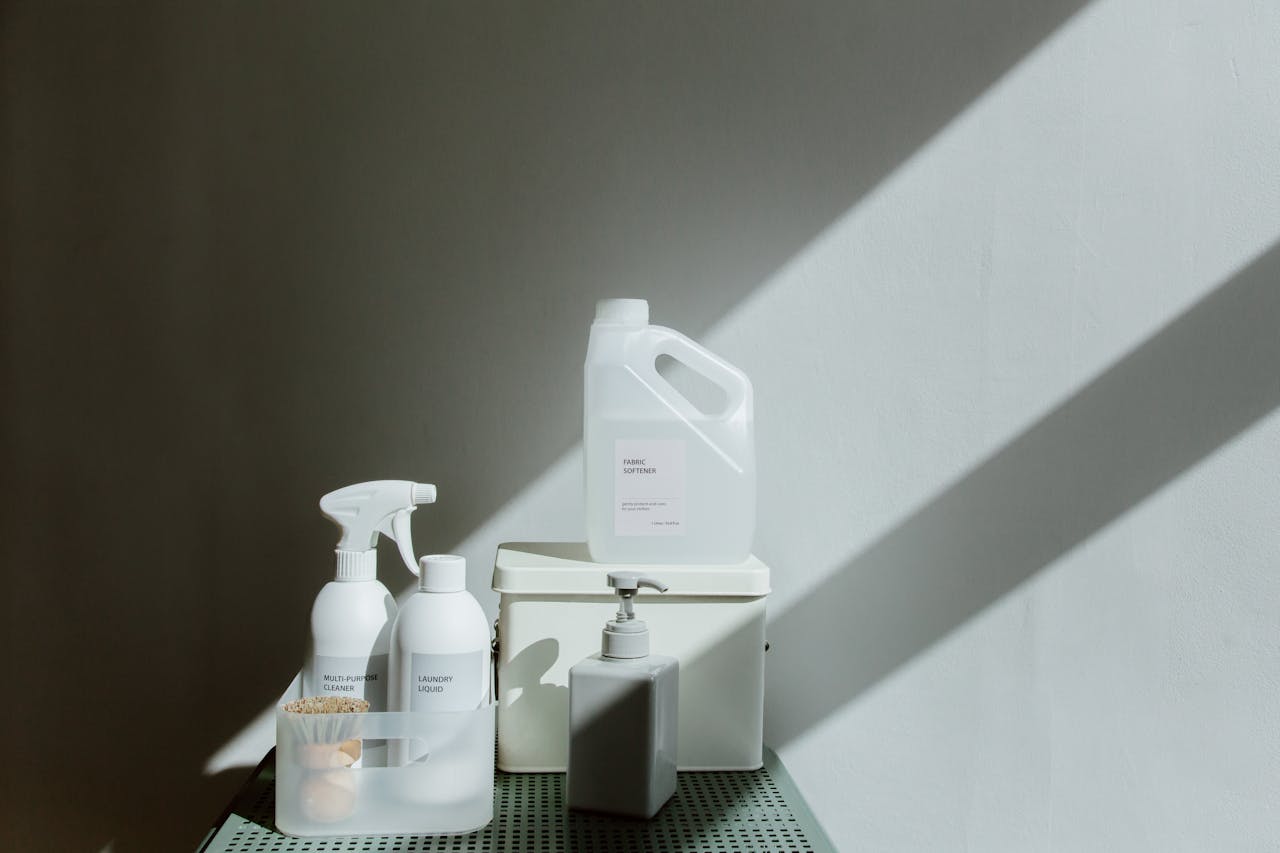
When you buy a bottle of laundry detergent or fabric softener, you’re not only choosing fragrance and cleaning power—you’re also experiencing the texture, look, and feel designed by opacifiers and thickeners. These often overlooked ingredients play a big role in how we perceive quality in home care products.
What Are They?
Opacifiers are additives that make a liquid opaque, creating that milky, creamy appearance consumers associate with premium detergents and softeners.
Thickeners adjust viscosity, ensuring a product feels rich and stable, preventing phase separation, and making it easier to pour or scoop.
Together, they shape the sensorial identity of products in the home care aisle.
The global opacifiers market is valued in the tens of billions of dollars and is projected to grow steadily at around 5–6% per year over the next decade. Titanium dioxide remains the most widely used opacifier, but newer eco-friendly alternatives are gaining ground.
The thickeners market is smaller but expanding, estimated at several billion dollars today and growing at more than 5% annually. While food and pharma dominate usage, demand in detergents and home care is climbing as brands compete on product experience.
Why They Matter in Home Care
Both opacifiers and thickeners are set to see strong growth, with markets expected to nearly double in size within a decade. As consumer expectations evolve toward sustainability and premium sensory appeal, these ingredients will remain essential in the innovation pipeline.
In short, while they rarely make headlines, opacifiers and thickeners are quietly shaping the future of detergents and home care—turning everyday cleaning into a more refined experience.
🧴 Let’s Talk About Emulsifiers in Home Care: Small Molecules, Big Impact
Open any bottle of cleaning spray, laundry softener, or dishwashing liquid, and you’ll find a perfectly smooth, stable liquid. No separation, no cloudiness. Just a product that does what it’s supposed to — and feels good while doing it.
Behind that quiet performance is a group of ingredients we rarely talk about: emulsifiers.
They’re not flashy. They don’t get called out on front labels. But without them, most of our home care products simply wouldn’t work.
💡 So What Exactly Do Emulsifiers Do?
In simple terms, emulsifiers help things stay mixed. Water and oil don’t naturally blend — but in products like fabric fresheners or floor cleaners, you need them to. That’s where emulsifiers come in.
They:
In other words, they make the formula look good, feel good — and most importantly — work well.
📊 By the way, the numbers speak for themselves: the global market for emulsifiers in home and personal care is expected to grow steadily, reaching over USD 5.2 billion by 2027, according to multiple industry forecasts. Within the broader surfactants category, emulsifiers now represent one of the fastest-growing segments, fueled by demand for stable, concentrated, and multifunctional products. Notably, over 30% of product instability claims in home care are still linked to poor emulsification — making this ingredient family more strategic than ever.
🔍 What’s Changing in 2024–2025?
Like everything else in the industry, emulsifiers are evolving. Here’s what’s shaping their future:
🧪 Behind the Scenes: What Chemists Are Working On
In the lab, formulators are:
It’s not just about making things mix — it’s about how they stay mixed, even on the shelf for 18 months.
👀 Final Word: The Ingredients That Keep It All Together
Emulsifiers are easy to overlook — but they’re everywhere. They don’t sell the product, but they make sure it works, feels smooth, and looks great.
So next time a cleaning product glides over a surface or your softener smells fresh for days, remember: there’s chemistry at work behind the scenes. And it’s smarter than ever.