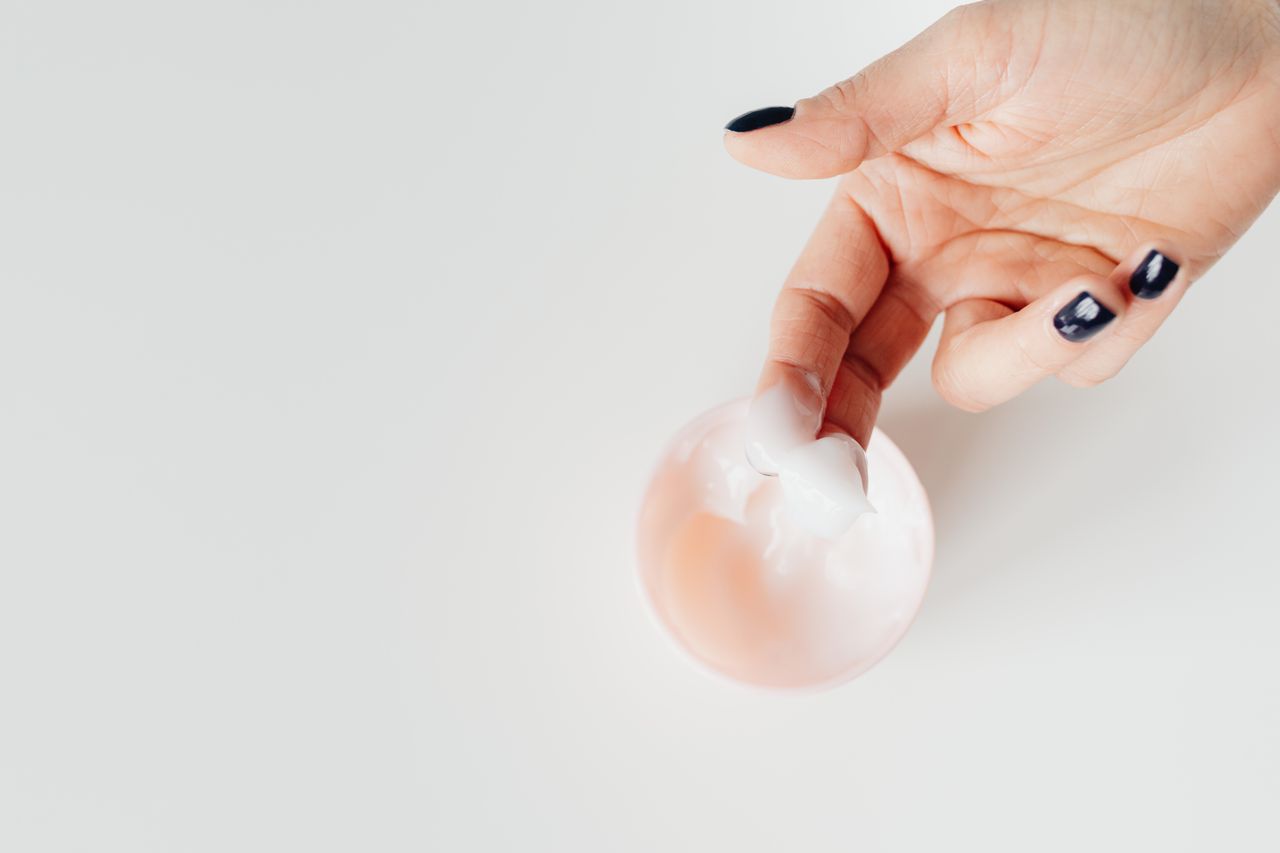
Most people judge a sunscreen in less than a minute.
They open the tube, apply a little on the skin and immediately decide:
too greasy, too white, too sticky, too heavy… or maybe surprisingly good.
What most people don’t see is how difficult it actually is to create a sunscreen that feels pleasant and performs well at the same time.
Because sunscreen formulation is full of compromises.
The moment you improve one thing, something else usually becomes harder to control.
And honestly, that’s what makes this category so challenging behind the scenes.
Everyone Wants High SPF… But Nobody Wants the Texture That Comes With It
This is probably the biggest contradiction in sun care today.
Consumers ask for SPF 50+, strong protection, long wear, water resistance… but at the same time, they want the product to feel almost invisible.
Light like a serum.
Soft like skincare.
No greasy finish.
No white marks.
The problem is that higher SPF usually means adding more UV filters. And once you start increasing those filters, textures naturally become heavier or more difficult to balance.
That’s why formulators spend so much time trying to make sunscreens feel lighter than they really are.
And the pressure keeps growing. Lightweight sunscreens have become one of the fastest-growing segments in skincare, especially among younger consumers who use SPF daily, not just at the beach.
Water Resistance Sounds Simple… Until You Try to Formulate It
Everybody wants a sunscreen that survives swimming, heat, sweat, and summer days outside.
But making a formula stay on the skin is not as easy as it sounds.
To improve water resistance, formulators usually need ingredients that create a kind of protective film. The problem is that these materials can also change the sensory feel of the product.
Sometimes the formula becomes thicker.
Sometimes it feels tacky.
Sometimes it spreads less easily.
So there’s always this constant question in development:
“How do we make it resistant without ruining the experience?”
That balance is much harder than most people imagine.
Stability Is One of Those Problems Nobody Notices — Unless Something Goes Wrong
A sunscreen can look perfect when it’s freshly made in the lab.
Then summer arrives.
Heat, light, humidity, transportation, storage… suddenly the formula is under stress everywhere.
And sunscreen formulas are usually packed with ingredients:
UV filters, emulsifiers, antioxidants, fragrances, sensory agents, botanical extracts…
Keeping all of that stable over time takes real formulation work.
Because once a product separates, changes color, develops an unusual odor, or loses consistency, consumers lose trust immediately.
And today’s consumers are even more demanding than before.
People Don’t Just Want Protection Anymore
Years ago, consumers accepted uncomfortable sunscreens because protection was the priority.
Now? Not really.
People expect sunscreen to behave like skincare.
They want:
And social media changed everything even more. One bad texture review can spread very quickly online.
This is exactly why brands are investing heavily in:
The line between sunscreen and skincare keeps getting thinner every year.
The Real Difficulty Is Balancing Everything Together
This is the part most people never see.
In sunscreen formulation, every decision affects something else.
Increase SPF?
Texture may become heavier.
Improve water resistance?
Skin feel may change.
Add more sensory ingredients?
Stability may become harder to maintain.
There’s almost never a perfect formula. Usually, it’s about finding the most intelligent compromise possible.
And honestly, that’s why creating a really good sunscreen takes time.
The Market Is Changing Fast
Sunscreen is no longer just a summer product.
That’s probably one of the biggest changes happening right now.
People use SPF daily:
As a result, the market is shifting toward products that feel easier to wear every day.
Some trends are becoming very clear:
Daily facial sunscreens are growing especially fast, particularly among younger consumers who see SPF as part of their normal skincare routine.
Final Thoughts
A good sunscreen looks simple when you use it.
But behind that simplicity, there’s usually a lot of invisible work:
balancing texture, protection, stability, comfort, and wearability all at once.
And maybe that’s the interesting part about sunscreen formulation.
When it’s done well, nobody notices the complexity behind it.
They just notice that the product feels good enough to use every day.