 À la une
Your Source, Our Expertise!
À la une
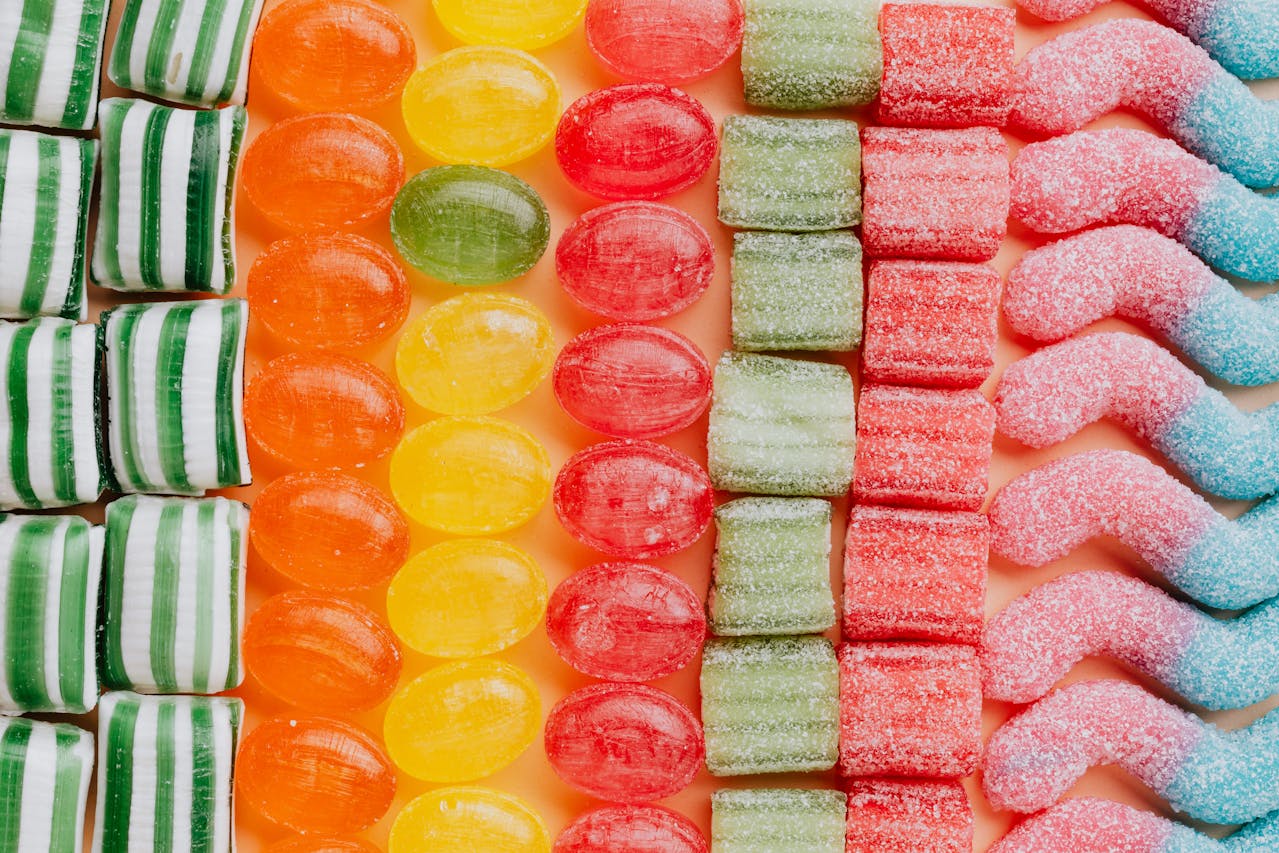
🍬Let’s be honest — no one forgets the taste of their favorite candy.
Whether it's a burst of sour cherry, the cool hit of mint in gum, or the juicy chew of a strawberry jelly, flavour is the emotional core of confectionery. But behind those vibrant tastes lies a world of precision, complexity, and innovation.
🎯 Flavour Is More Than Just Taste
In confectionery, flavour must be immediate, intense, and long-lasting. Unlike beverages or bakery products where flavours can evolve gradually, candy has just seconds to make an impression — and it has to hold it.
This is especially true for chewing gum, where the consumer interacts with the product for minutes or even hours. Flavour performance must be resilient to saliva, heat, and time.
Jellies and gums also have complex matrices. They contain gelling agents, sugars, acids, and moisture — all of which influence how a flavour behaves, releases, and evolves on the palate.
Think about fruit jellies — soft, chewy, and bursting with fruit.
Achieving that juicy profile in a gelled matrix is a real challenge.
✅ Why?
Because water activity, sugar concentration, and pH can all mute or distort flavours. This is why candy flavours often need to be pre-compounded or encapsulated to ensure sharp, authentic release at the right time.
✅ Trends:
🍬 Hard Candies & Gums: The Longevity Game
Hard candies and chewing gums face a different battle — durability.
In gums, flavour has to stick around through continuous chewing. This has led to innovations in flavour layering and time-release technologies, where different notes emerge over time (initial burst → mid-chew depth → final freshness).
✅ Hot segments:
Flavours in candy are emotionally loaded.
They evoke childhood memories, comfort, rebellion, indulgence. That’s why the choice of flavour isn’t just about taste — it’s about target audience and experience.
Bubblegum flavour? Instant nostalgia.
Lime chilli? A bold Gen Z statement.
Salted caramel? Premium indulgence.
Confectionery brands increasingly use flavour as a storytelling tool — tapping into regional trends, cultural identity, or emotional experiences.
🔬 Innovation in Formulation
Modern flavourists working in confectionery have more tools than ever:
This makes flavour development in candy not just an art, but a science driven by data, regulation, and consumer feedback.
✅ Final Bite
From the snap of a hard candy to the melt of a jelly, flavour defines the confectionery experience.
It’s where chemistry meets creativity — delivering joy, surprise, and satisfaction in just a few seconds of taste.
And as consumer palates evolve, so must the flavours: becoming cleaner, bolder, and more expressive — while still delivering that childhood spark we all remember.
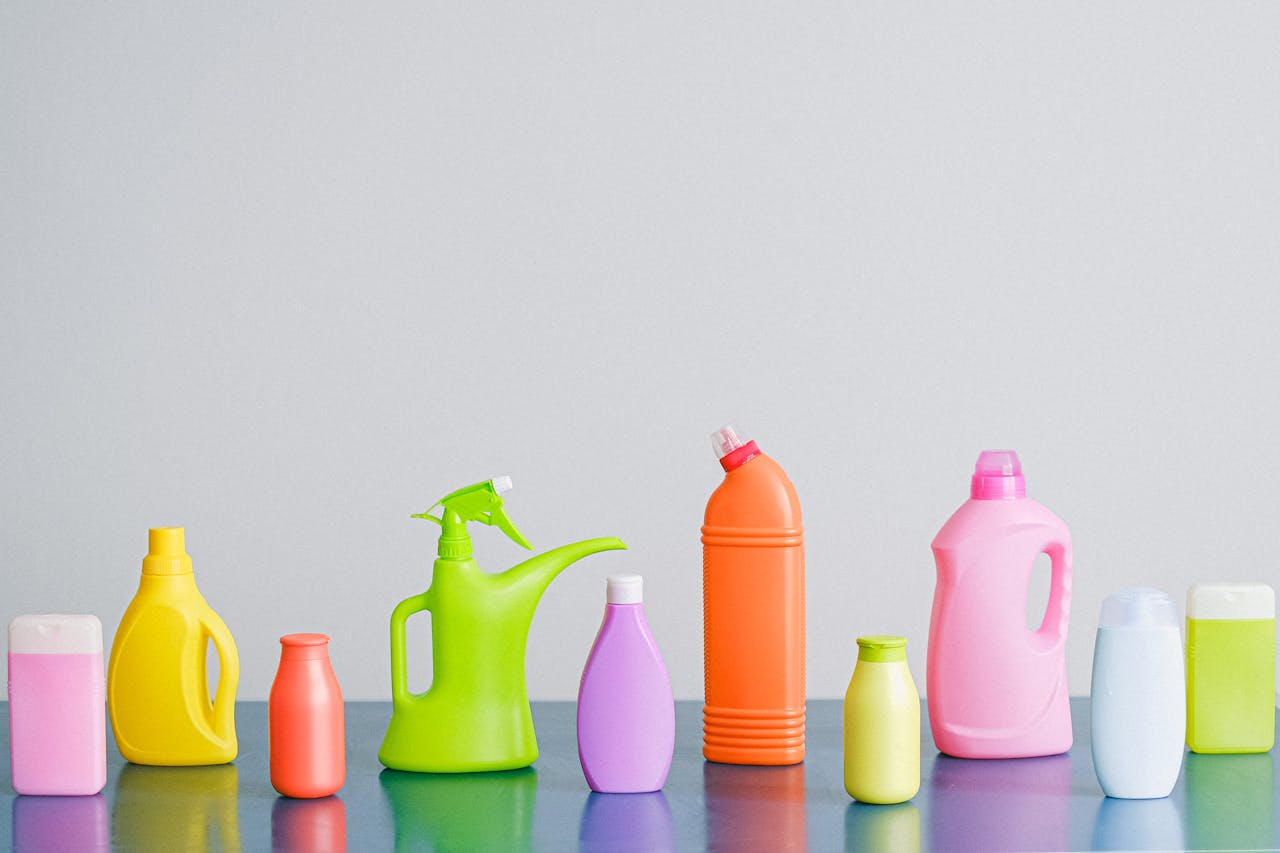
🧴Because behind every perfect texture, glow, or fragrance, there’s serious chemistry at work.
Let’s get real — when we talk about skincare or home care products, most of the spotlight goes to the glamorous ingredients. The actives, the exotic oils, the buzzy antioxidants. But the truth? None of those would work half as well without a small army of behind-the-scenes players doing the heavy lifting.
Today, we’re giving credit where it’s due — to the emulsifiers, solubilizers, brighteners, thickeners, and anti-dye migration agents that quietly make everything work.
🌊 Emulsifiers: The Peacekeepers Between Oil and Water
Oil and water don’t naturally get along. But emulsifiers? They’re the matchmakers. Thanks to them, your creamy moisturizer doesn’t split, and your SPF lotion feels smooth and stable.
Why they matter:
Trend watch:
Innovations in emulsifier technology are focusing on creating formulations with improved stability and skin compatibility, while streamlining production with energy-efficient methods such as cold processing.
💧 Solubilizers: The Quiet Magicians Behind Clear Formulas
Ever used a facial mist with essential oils that stayed perfectly clear? That’s the solubilizer at work — making oil and water-based ingredients coexist without cloudiness or separation.
Why they matter:
On the rise:
New solubilizing agents are designed to work seamlessly even in minimalist, transparent products, with a strong focus on mildness and compatibility with various formulation types.
✨ Brighteners: Not Just About Glow
In skincare, they help even out your complexion. In laundry? They keep whites looking, well, white. Brighteners might work differently in beauty vs. household products, but they share the same goal: enhancing appearance.
Why they matter:
What’s new:
Modern brighteners are designed for better performance and compatibility, often paired with soothing ingredients to avoid irritation in skin formulations.
🧴 Thickeners: The Texture Masters
Thickeners don’t just bulk up a formula — they define how it feels. That rich body lotion? That silky cleanser? Thank the thickeners.
Why they matter:
Trendy picks:
Advanced thickeners are developed to deliver smooth, non-sticky textures, often combining thickening power with additional skin benefits like hydration and soothing effects.
🎨 Anti-Dye Migration Agents: For Laundry (and Sometimes Beauty)
Ever ruined a white T-shirt because you washed it with red socks? These agents stop that from happening. And in beauty, similar concepts are used to prevent color fade in makeup or haircare.
Why they matter:
Latest moves:
There’s a growing focus on improving the efficiency and safety of anti-dye migration agents used in detergents and color-protecting haircare, balancing performance and environmental considerations.
🧪 Final Take: Small Ingredients, Big Responsibilities
These aren’t the ingredients that make headlines. But without them, the textures would feel off, the products would separate, or the colors would bleed.
And in 2025 and beyond, where performance and clean labels matter more than ever, these quiet players are becoming more important — and more sophisticated.
So next time you feel a cream melt into your skin or see your whites come out bright from the wash — know that behind it all, there’s smart formulation at play.

🌿 A Deep Dive into Trends, Processes & Market Evolution
In a world that’s moving fast, wellness is slowing down — and essential oils are right at the center of that shift.
They’ve been around for centuries, cherished for their scents and healing power. But in 2025, essential oils are no longer just traditional remedies — they’re modern tools in advanced formulations, beauty routines, emotional therapy, and even digital customization.
Let’s unpack where this ancient treasure is heading in today’s innovation-driven world.
🧘♀️ 1. Aromatic Roots: Nature’s Oldest Wellness Tool
From Egyptian rituals and Greek baths to Ayurvedic massages, essential oils have a long and fragrant past. Extracted from plants, leaves, roots, or flowers, they’ve been used to calm nerves, heal wounds, and purify the air.
But what makes them still relevant in 2025?
➡️ Their holistic nature.
➡️ Their multifunctionality (aromatherapy, skincare, haircare, emotional well-being).
➡️ The consumer’s return to natural, sensory experiences.
In an age of synthetic overload, their authenticity feels luxurious.
🔬 2. Science Meets Scent: Validating What Ancient Cultures Already Knew
While essential oils were once only associated with wellness boutiques and spas, today they’re lab-tested, peer-reviewed, and included in formulas developed by chemists.
Here’s what modern science confirms:
The oils aren’t just soothing anymore — they’re clinically effective, and consumers are paying attention.
📈 3. Trend Watch: What’s New in 2025?
Essential oils are being reimagined in exciting ways. Let’s look at some key trends:
💧 3.1. Water-Soluble & Hydrosol-Based Innovations
Traditional essential oils are oil-based, which limits their use in some formulations. In 2025, hydrosols (floral waters) and nano-emulsified oils are gaining popularity — they’re gentler, more compatible with water-based products, and ideal for sensitive skin.
🌐 3.2. AI-Driven Personalization
Imagine scanning your mood and receiving a tailored blend via a wellness app. With AI, emotional profiling + essential oils = custom wellness. Brands are starting to offer:
♻️ 3.3. Sustainable & Ethical Sourcing
Consumers now ask: Where was this lavender grown? Was this sandalwood ethically harvested?
In 2025, transparency is currency. Labels now include:
Sustainable packaging (biodegradable capsules, recyclable glass) also aligns with eco-conscious buying habits.
🧠 3.4. Neuroscent & Aromachology Boom
More brands are investing in neuroscents — fragrances proven to influence mood and brain waves. Essential oils like ylang-ylang, clary sage, and neroli are at the heart of this movement, integrated into perfumes, room sprays, and even car diffusers that trigger focus or calm.
⚗️ 4. Extraction & Formulation: A Craft Meets Chemistry
The beauty of essential oils lies in their complexity. But how they’re extracted defines their potency and quality. Here's a breakdown:
In 2025, brands are prioritizing low-impact, solvent-free methods to preserve bioactives while being planet-friendly.
Meanwhile, formulators pair essential oils with encapsulated delivery systems or slow-release carriers, making them longer-lasting and more effective — even in serums, sprays, or candles.
🌍 5. Global Market Momentum
According to recent forecasts, the essential oils market is expected to reach $18 billion+ by 2027, with wellness, beauty, and personal care as major drivers.
Leading categories:
The most in-demand oils in 2025:
Regions like India, France, and Australia remain key players in both production and innovation.
✅ Conclusion: Essential Oils, Evolved
Essential oils are not just fragrances in a bottle anymore.
They are:
In 2025, the essential oil movement is more transparent, personalized, ethical, and science-backed than ever before.
And whether you're a brand, a formulator, or simply a consumer — essential oils are a scented bridge between tradition and transformation.
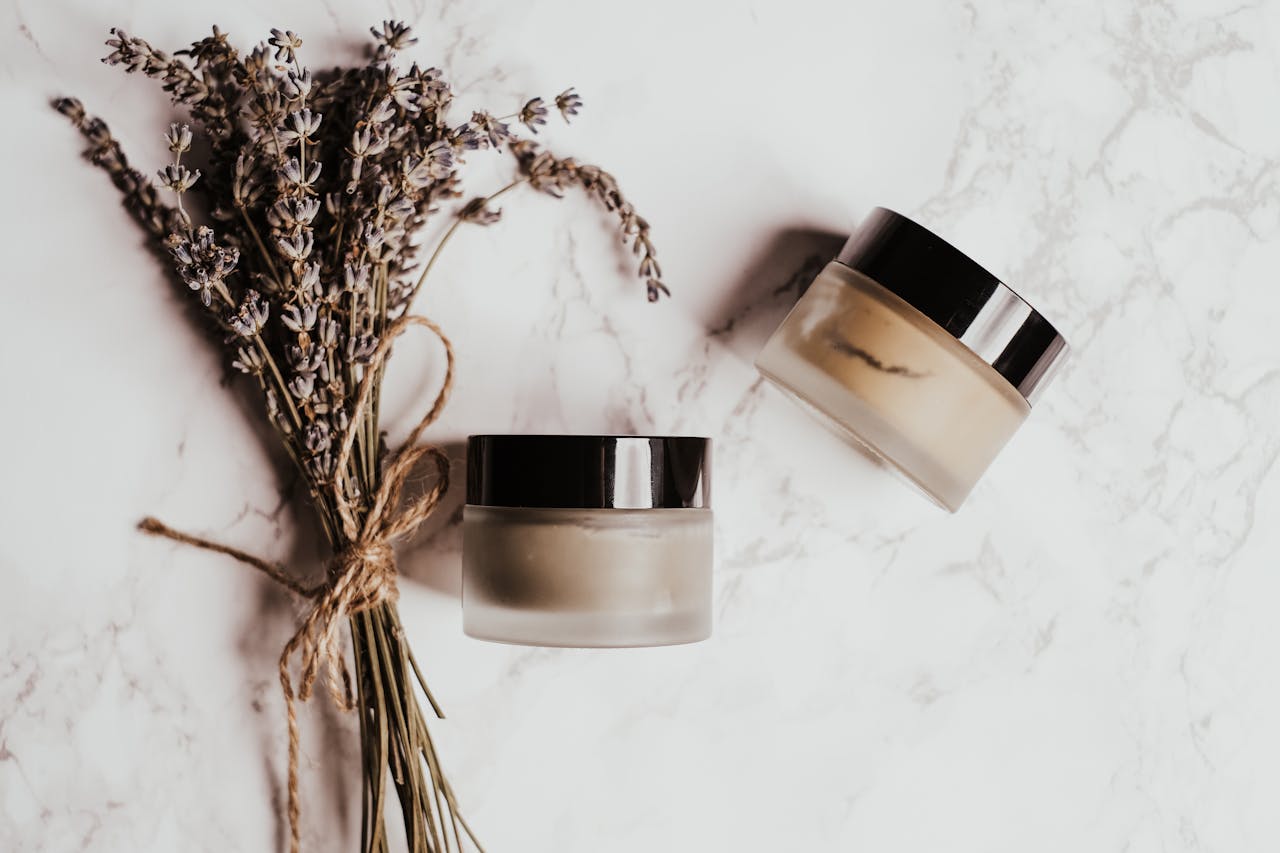
🔥In the ever-evolving beauty world, staying ahead of ingredient trends is everything.
As we move through 2025, these three ingredients are making serious waves — and they might just reshape your next formulation.
Let’s take a closer look 👇
💉 1. Next-Generation Peptides
Think of these as upgraded versions of your classic peptides.
They help stimulate collagen, smooth wrinkles, and restore skin — without irritation.
From copper peptides to custom signal peptides, these lab-crafted actives are redefining gentle anti-aging.
Results, minus the redness.
🧫 2. Microbiome-Friendly Formulations
Your skin is alive — literally.
And microbiome-focused skincare supports that ecosystem with pre-, pro-, and postbiotics.
What’s the result?
→ Stronger skin barrier
→ Less inflammation
→ More balance
This trend is growing fast (pun intended), and consumers love the “healthy skin from within” story.
🌱 3. Retinol Alternatives
Retinol works — but not everyone loves the peeling and sensitivity.
That’s where bakuchiol comes in: a gentle, plant-based alternative with similar results.
Also trending:
Encapsulated retinoids
Multi-active blends with niacinamide and peptides
These options deliver the glow, not the burn.
✅ The Bottom Line
2025’s skincare is smarter, gentler, and more microbiome-minded.
The future isn’t just about what works — it’s about what works without compromise.
Which of these ingredients would you try or formulate with first?
Let’s talk science, strategy, and skin.
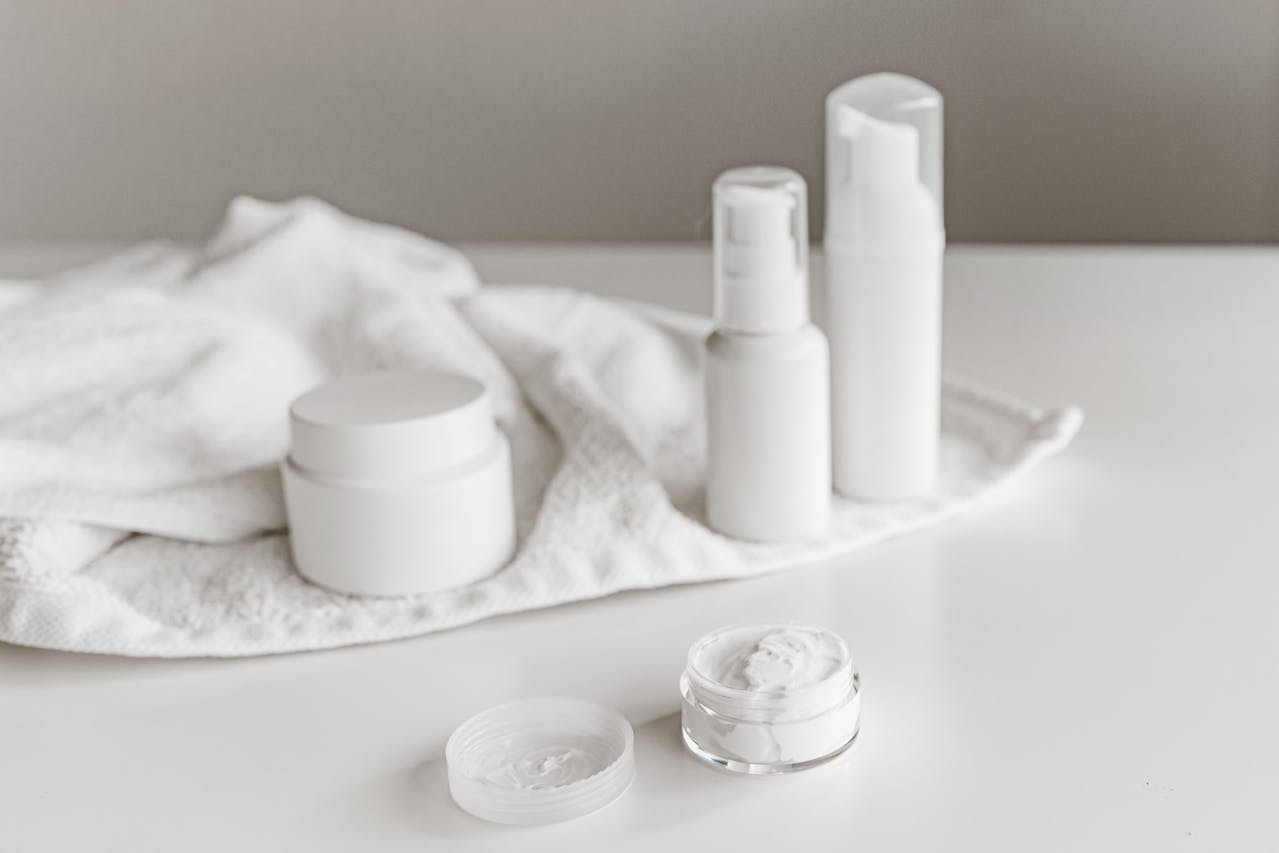
💡 You may not notice it. You may not even know it’s there.
But if you’ve used sunscreen, foundation, BB cream, or even certain moisturizers, Titanium Dioxide has quietly been taking care of your skin.
It’s not just another cosmetic ingredient — it’s one of the most trusted and versatile minerals used in skincare today. And the market knows it: we're talking about a value projected to hit $24.41 billion by 2029.
Let’s break it down, simply and honestly.
☀️ It Starts with Sun Protection
Titanium Dioxide is known as a physical (mineral) sunscreen. Unlike chemical filters that absorb UV rays, this one acts like a mirror — reflecting harmful rays off the skin’s surface.
That means:
It starts working immediately (no waiting after application)
It’s gentle, even for sensitive or baby skin
It stays stable when exposed to sunlight
It’s less likely to cause irritation or allergic reactions
It mainly blocks UVB (sunburn) and some UVA (aging), making it a solid choice for SPF creams, tinted moisturizers, and even lip balms.
🎨 It’s Also a Brilliant Pigment
Titanium Dioxide doesn’t just protect — it also perfects.
It’s what gives:
Foundations their smooth finish
Powders their opacity
BB creams their brightening effect
That silky, even look you get from a good product? There’s a good chance TiO₂ played a part.
✅ Why It’s Still Relevant — and Growing
There’s a reason this mineral is still in demand, even as the beauty industry evolves. It’s:
Non-comedogenic (doesn’t clog pores)
Safe for daily use
Well-tolerated by most skin types
Adaptable to both natural and high-tech formulas
And while the debate continues around nano-particles, many brands are transparent about using non-nano Titanium Dioxide, especially in powders and creams.
📊 A Market That Keeps Expanding
Between growing awareness of sun damage and consumer demand for safer ingredients, Titanium Dioxide is seeing a steady rise in demand.
From $20.72 billion in 2024 to $24.41 billion in 2029, the projections speak for themselves.
Major players like The Chemours Company, Tronox Holdings, LB Group, and others are leading this movement across the US, Europe, and Asia.
🧴 Bottom Line
Titanium Dioxide may not be flashy, but it’s essential.
In an era where skincare and makeup are expected to do more and harm less, this mineral delivers — quietly, effectively, and reliably.
So the next time you check your label and see TiO₂, know that your skin is in good hands.

☀️ Why protecting your skin from UV radiation is a daily essential
Let’s be honest — for many, sunscreen only comes out during a beach trip or sunny holiday. But in reality, sun protection should be as routine as brushing your teeth.
🌞 UV Rays: The Invisible Threat
UV rays don’t need an invitation. They’re silent, invisible, and always present — even when it’s cloudy or you're sitting by a window.
Here’s what you’re up against:
UVA rays go deep into the skin and are largely responsible for premature aging — wrinkles, sagging, and pigmentation.
UVB rays affect the outer layers, causing sunburns and damaging DNA — which can lead to skin cancer.
Many people ignore UVA because it doesn’t burn — but it silently does long-term harm.
🧴 Sun Protection: It’s About More Than SPF
Sure, SPF is key (it measures protection against UVB), but that’s just one piece of the puzzle. What really counts is:
Broad-spectrum protection (against both UVA and UVB)
Daily use — even in winter or when indoors near natural light
Reapplying every 2 hours if you’re outside
And let’s be clear: SPF 15 in your makeup doesn’t cut it.
👶 All Skin Tones Need Protection
A common myth? That darker skin doesn’t need sunscreen. It does. While melanin provides some natural defense, it’s not enough to prevent damage or reduce cancer risk. Everyone’s skin needs protection — no exceptions.
🧪 More Than Just Sunscreen
Sun care today goes beyond filters. Modern formulas are now enriched with antioxidants, DNA-repair enzymes, and anti-pollution shields. These ingredients not only protect — they also help repair and strengthen skin under daily stress.
🧠 Yes, Skin Has a Memory
Every sunburn, every day you skip sunscreen — it all adds up. Over time, this “sun history” leads to dark spots, collagen loss, and in some cases, melanoma.
Sun protection isn’t dramatic — it’s simply smart.
🔚 In Short: Sun Care Is Self-Care
Protecting your skin isn’t about beauty standards — it’s about health.
Make sunscreen part of your daily routine. Your skin — and your future self — will thank you.

In the world of food innovation, flavor isn’t just an ingredient — it’s a language. Intangible yet instantly perceived, it often defines whether a product is forgettable or unforgettable.
From pastries to soft drinks, confections, dairy products, and ready meals, flavors are everywhere. But behind what seems simple lies a highly complex process — a delicate interplay of chemistry, sensory perception, and creative intuition. It’s a balance between consumer expectation, technical formulation, and industrial performance.
Flavor goes far beyond taste. In fact, 80–90% of what we perceive as "flavor" comes from our sense of smell. That’s why food tastes bland when we have a cold, and why two products with similar ingredients can offer very different experiences.
In dairy, lactonic or vanilla notes enhance the perception of creaminess. A hint of citrus in a beverage can lift the entire profile. In savory applications, a single sulfur-containing molecule (like methional from onion flavor) can reinforce umami perception without adding sodium.
Flavor creation blends both structure and storytelling. Flavorists assemble dozens — even hundreds — of volatile compounds, natural or synthetic, to achieve a target aroma. Each note plays a role: top notes grab attention, middle notes build depth, and base notes provide longevity.
The challenge lies in how the flavor interacts with the food matrix. A vanilla profile behaves very differently in a dry biscuit than in a dairy custard. Variables like fat content, pH, heat processing, and sugar levels can alter not just intensity, but stability and perception.
Taste is culture-bound. What feels authentic in France may seem artificial in Japan, and vice versa. A strawberry flavor might be judged "synthetic" or "true-to-nature" depending on local strawberry varieties and cultural preferences.
But flavor is more than science — it’s memory. One scent can bring back childhood, holidays, or long-forgotten meals. That’s what makes the work of a flavorist so nuanced: beyond formulation, it’s about empathy and emotional insight.
Flavors are not superficial enhancements. They are complex creations where science meets human perception. Mastering them means more than crafting taste — it’s about building identity and evoking connection. In a world of functional and standardized food, flavor remains one of the last true expressions of creativity and depth.
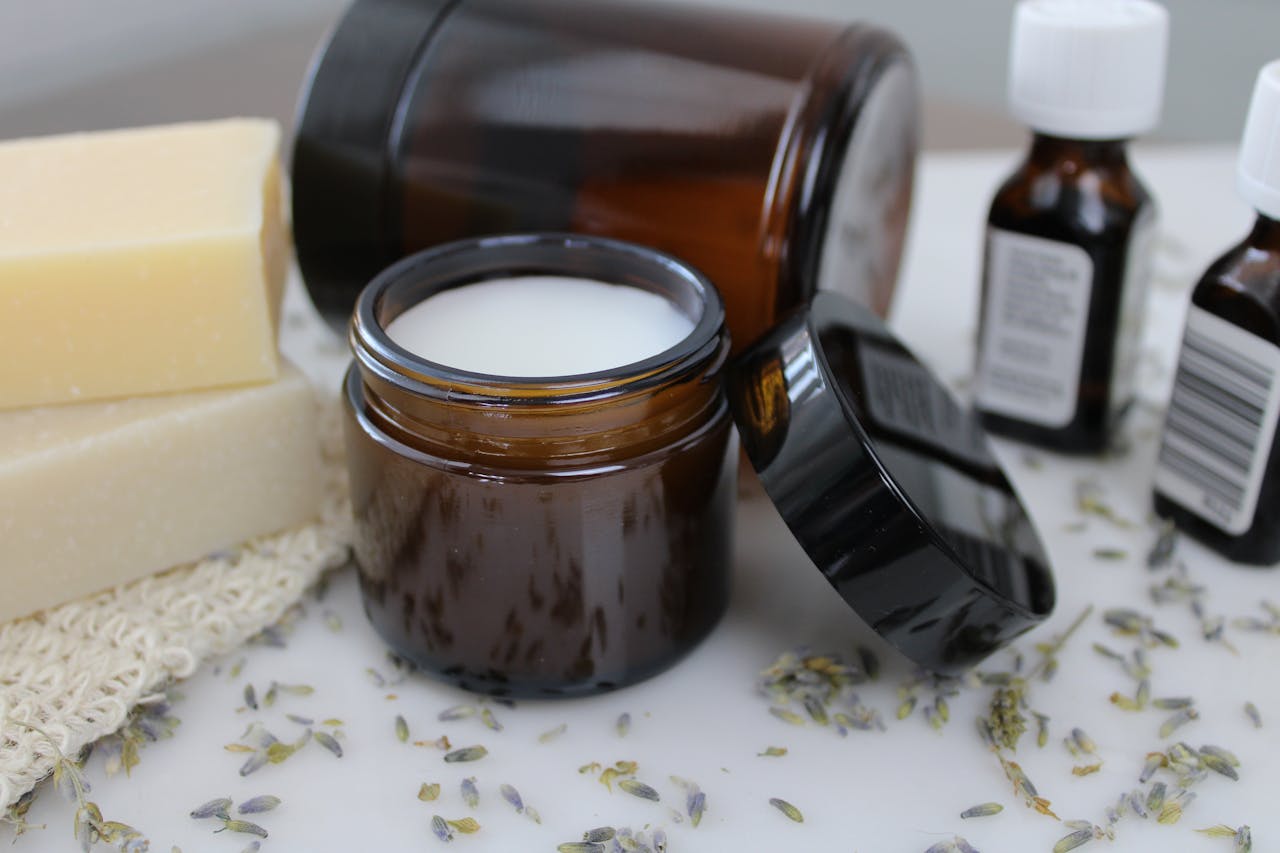
💆🏻♀️🧴✨As a cosmetic scientist, I often come across people unknowingly combining active ingredients that either cancel each other out or lead to irritation.
Here’s a quick guide on what not to mix — your skin will thank you!
1. Retinol + Benzoyl Peroxide ❌
Both treat acne effectively, but together they can cause severe dryness and irritation.
2. Vitamin C + AHAs/BHAs ⚠️
Acids destabilize Vitamin C, reducing its potency and increasing the risk of sensitivity.
3. Retinol + AHAs/BHAs 🛑
Too much exfoliation! Both promote cell turnover, and combining them can over strip your skin.
4. Retinol + Vitamin C ⛔️
Two strong ingredients for pigmentation, but used together, they can be too harsh and drying.
5. Benzoyl Peroxide + Hydroquinone 🔥
This pairing increases the risk of inflammation and long-term sensitivity.
6. Soap Cleansers + Vitamin C 🚫
The high pH of soap neutralizes Vitamin C’s effectiveness.
📚📌Pro Tip:
Use actives at different times (e.g., Vitamin C in the morning ☀️, Retinol at night 🌙) to maximize results while keeping your skin barrier healthy.
Educated skincare = effective skincare!

The world of hair care has shifted. We no longer pick a shampoo just because it says “for dry hair” or “for oily hair” on the bottle. Today, we want products that get us — that understand our hair, our lifestyle, even the environment we live in. That’s where innovative and customized formulations are making a real difference.
Innovation is more than just a “new” product
A lot of people think innovation means releasing a shampoo with an exotic scent or eco-friendly packaging. But real innovation happens behind the scenes, in labs where researchers develop active ingredients that repair, protect, and transform hair. Think peptides, scalp probiotics, plant-based ceramides, adaptogen extracts. These aren’t thrown in just to sound fancy — they meet real, proven needs.
Customization: not just a marketing trick
This part is huge. Once dismissed as marketing fluff, customization has become a serious consumer expectation. People want their hair to be treated as it is — fine, thick, curly, colored, damaged… And today, thanks to digital diagnostics, smart apps, and even AI, we can recommend nearly tailor-made solutions.
It’s simple: people don’t want to pick from three bottles on a shelf. They want help finding their product — the one that matches their exact needs, at that moment.
But let’s be clear: innovation comes with big challenges
For brands, it’s not enough to have a great idea on paper. They have to ensure product stability, safety, regulatory compliance, and performance — all without skyrocketing costs. And let’s not forget the environmental impact, which has become non-negotiable for many consumers.
Why this changes the game for all of us
What’s fascinating about this shift is that it brings back the dialogue between brand and consumer. We’re no longer just selling a product — we’re guiding, advising, building trust. The result? People feel heard, understood, and finally get products that deliver real results, not just pretty promises on a label.
The bottom line?
Hair care is entering a new era: more technical, more advanced — but also, more human. And that’s the real challenge: keep innovating without losing sight of what truly matters — honest, thoughtful, effective solutions.
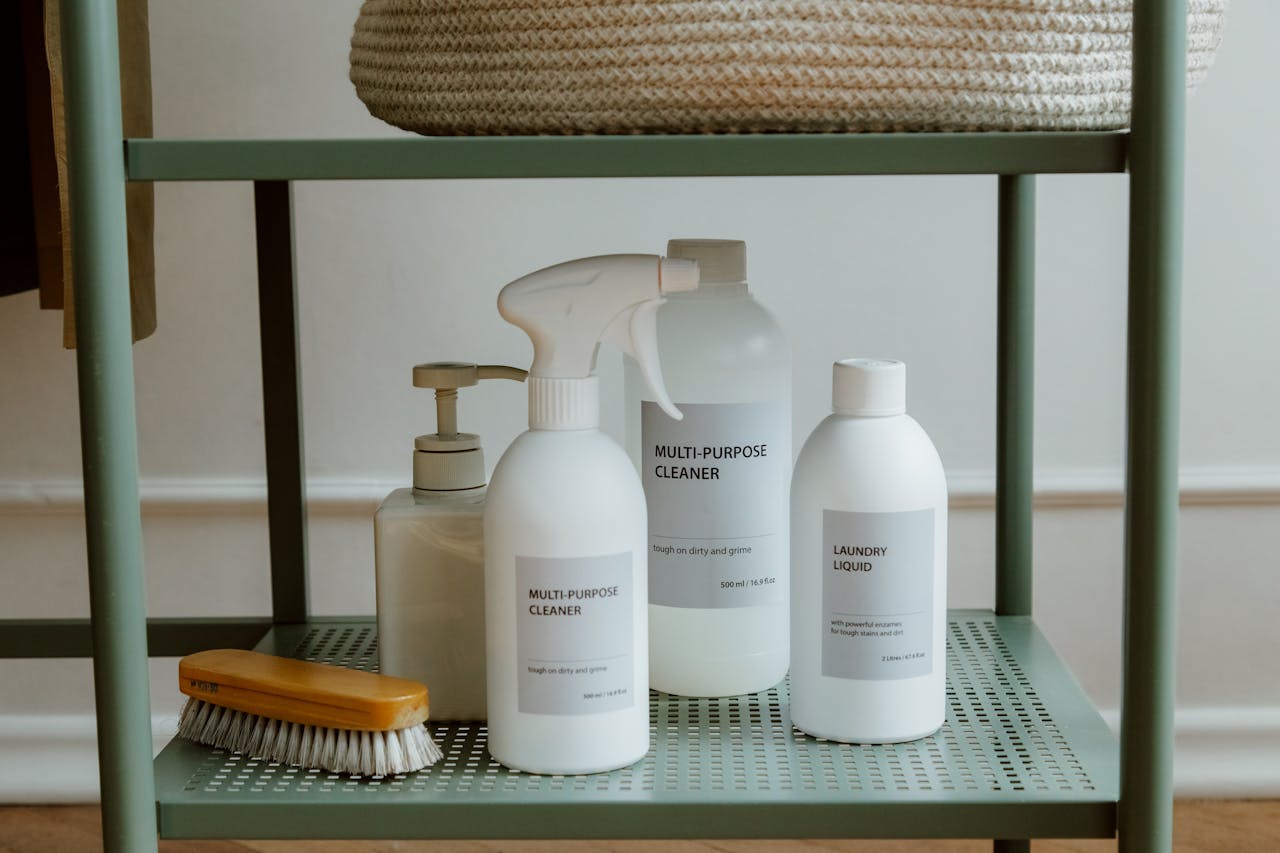
Fragrance is often an overlooked yet powerful element in household and industrial products. It conveys cleanliness, care, comfort—and in many cases, becomes the brand’s signature. Today, crafting an effective and innovative scent for household detergents, laundry products, or industrial cleaners requires far more than just basic perfumery skills.
Unlike fine fragrances, scents designed for cleaning products must strike a careful balance: they need to appeal to consumers while also being compatible with complex chemical formulas. For example, a laundry detergent fragrance must survive wash cycles at 60 °C, persist after drying, and maintain its freshness in storage.
In industrial applications, the challenge is even greater. Fragrances must neutralize strong chemical odors while providing a sense of freshness and hygiene—demanding deep expertise in formulation.
Innovation in this field increasingly relies on technology. Microencapsulation is now widely used: fragrances are embedded in tiny capsules that release gradually, triggered by heat or friction. This enables long-lasting scent release, whether on clothes, surfaces, or fabrics.
Artificial intelligence is also making its way into formulation labs, helping predict fragrance combinations or olfactive trends. While it doesn't replace a perfumer’s nose, it can certainly enhance their creative process.
Another major force shaping fragrance innovation is environmental awareness. More brands are looking for scents that are not only pleasant but also biodegradable, non-allergenic, and derived from renewable sources. This includes the growing use of essential oils, plant-based extracts, and green chemistry components.
Meanwhile, strict regulations (like IFRA and REACH) limit the use of certain allergens and require reduced VOC emissions, especially in industrial or professional cleaning products.
Each product category requires its own olfactory identity. Dishwashing liquids often feature fresh citrus notes that evoke cleanliness and rinse easily. A family laundry detergent may lean toward soft, cottony or floral scents, while a disinfecting floor cleaner might benefit from bold minty or woody notes to reinforce its sanitizing image.
The current trend? Fragrances that tell a story and create a multi-sensory experience—even during routine cleaning tasks. It’s no longer just about masking odors or "smelling nice," but about enhancing the user experience with emotional impact and sensory comfort.
Innovating in functional fragrance design isn’t about luxury—it’s a technical and creative challenge that blends science, marketing insight, and emotional intelligence. Behind every fresh-smelling laundry product or industrial cleaner is a complex process of thoughtful scent development. And it’s precisely this balance between efficiency and emotional connection that will define the most impactful brands of tomorrow.